Trying to choose between Timbergrove and Houston Heights? If you are searching in Houston’s 77008 area, this comparison matters because these two neighborhoods can feel very different in daily life, even though they are both close to Downtown. The good news is that the choice often becomes clearer once you compare price, lot size, walkability, and neighborhood character side by side. Let’s dive in.
Timbergrove vs. Houston Heights at a Glance
If you want a simple starting point, think of the choice this way: Timbergrove and Lazybrook often appeal to buyers who want more yard space and a somewhat lower price point, while Houston Heights often appeals to buyers who want stronger walkability and more historic character.
Both areas are close-in Houston neighborhoods with convenient access to major job centers. Still, the lifestyle tradeoffs are real. In many cases, you are not choosing between “better” and “worse.” You are choosing between two different ways to live in the Inner Loop.
Home Prices in 77008
Price is one of the biggest differences between these neighborhoods. Current market snapshots show Lazy Brook-Timbergrove at a median sale price of $590,000, while Greater Heights sits higher at $680,000. Zillow’s broader Greater Heights data also places the median sale price at $666,833.
That gap matters if you are balancing monthly payment, renovation budget, or long-term flexibility. It suggests that Timbergrove and Lazybrook may offer a more approachable entry point for buyers who want to stay close to central Houston without stretching as far.
There is also an important detail inside the Heights market itself. The Heights is not one single price band. In the Houston Heights South Historic District, a recent Redfin snapshot showed a median sale price of $1.284 million and $510 per square foot, which is far above the broader Greater Heights range.
City of Houston super neighborhood data shows a similar pattern, although it measures median house value rather than sale price. For 2024, Lazybrook/Timbergrove was listed at $517,622, while Greater Heights was listed at $721,555. That reinforces the idea that Heights pricing can vary a lot depending on the exact sub-area.
Lot Size and Housing Style
Why Timbergrove Often Feels More Spacious
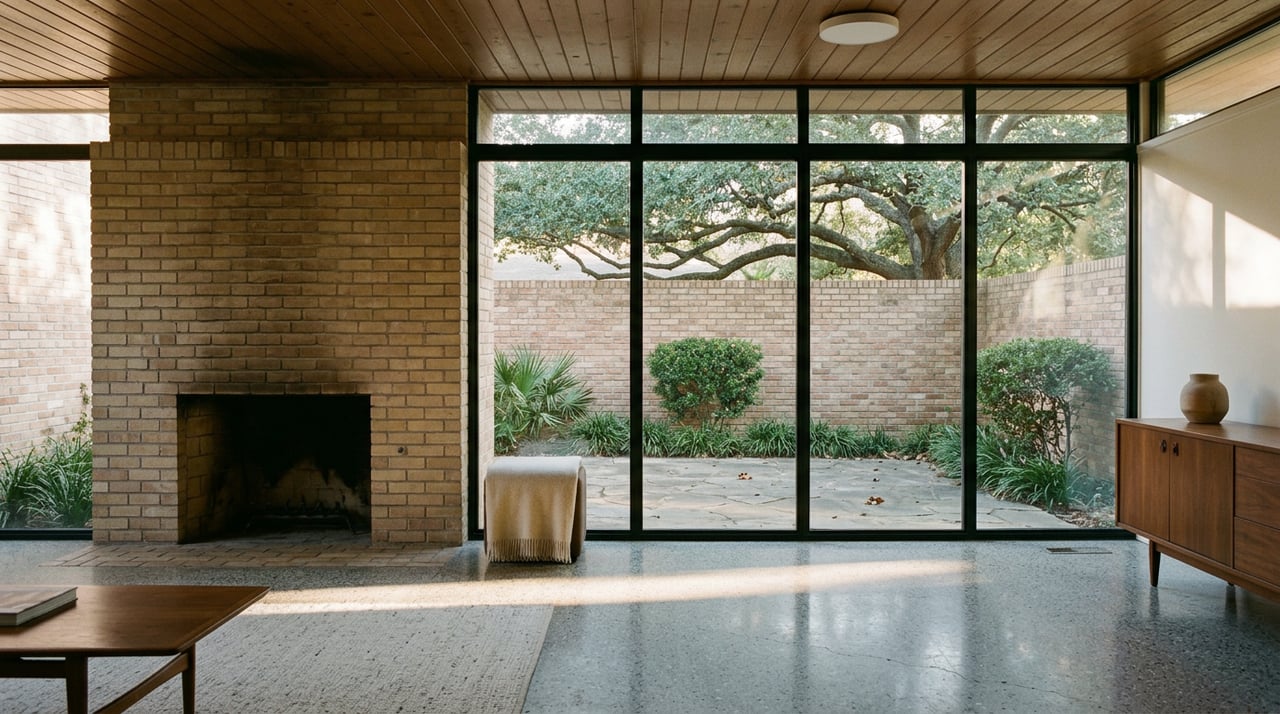
Timbergrove and Lazybrook are known for post-World War II housing stock, especially ranch-style brick homes built in the 1950s and 1960s. The City of Houston also notes that the broader super neighborhood includes Brookwood, a large-lot subdivision. That helps explain why many buyers associate this area with more yard space and a more open residential feel.
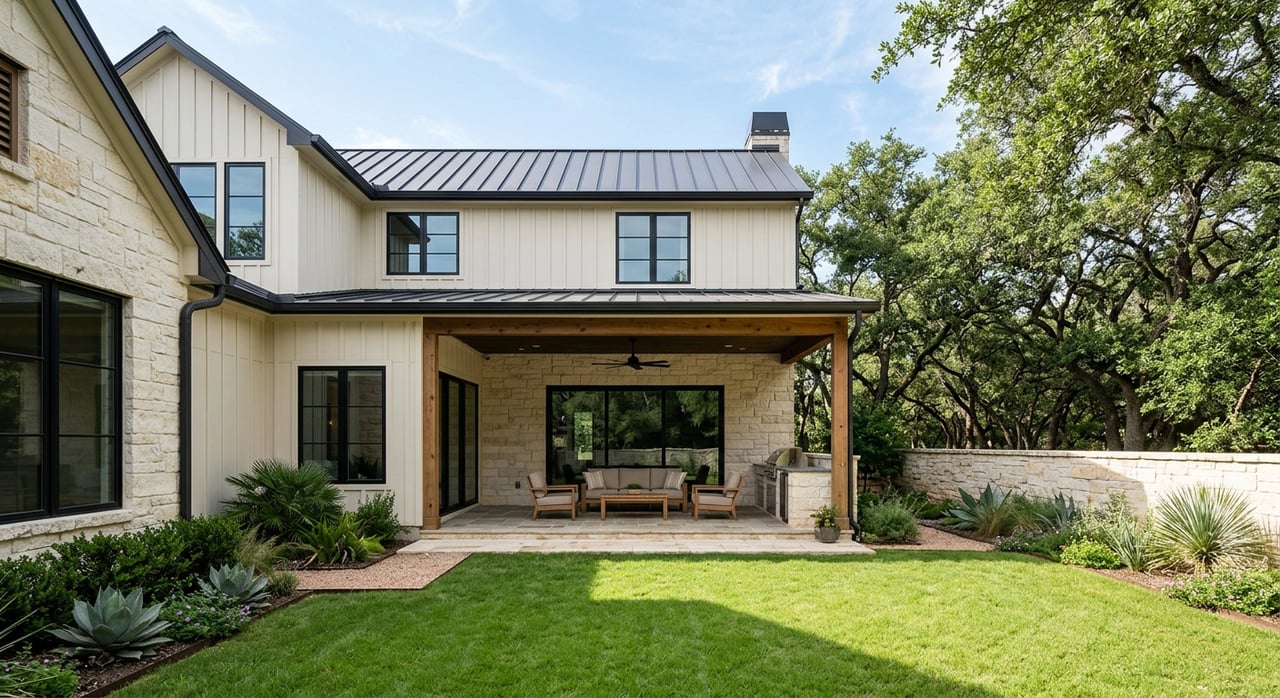
Current listing examples in the area support that impression. Representative lots have recently been shown around 6,557 square feet, 8,280 square feet, and 8,367 square feet. If outdoor space matters to you, that can be a meaningful advantage.
Timbergrove Manor Civic Club also states that the area is deed-restricted, and that many new construction projects and renovations require design review approval. That is worth knowing early if you plan to expand, rebuild, or make significant exterior changes.
Why the Heights Feels More Compact and Historic
Houston Heights has a different physical pattern. City historic district materials describe the area as being built around one- and two-story homes with features like large windows, bay windows, porch detailing, and pier-and-beam construction.
The City of Houston also describes a very regular lot pattern in the historic districts. A typical residential block contains 24 lots that are 50 feet wide by 132 feet deep, though some blocks include 33-foot-wide lots and corner lots may be larger. In practical terms, that usually means a tighter urban form than what you often find in Timbergrove.
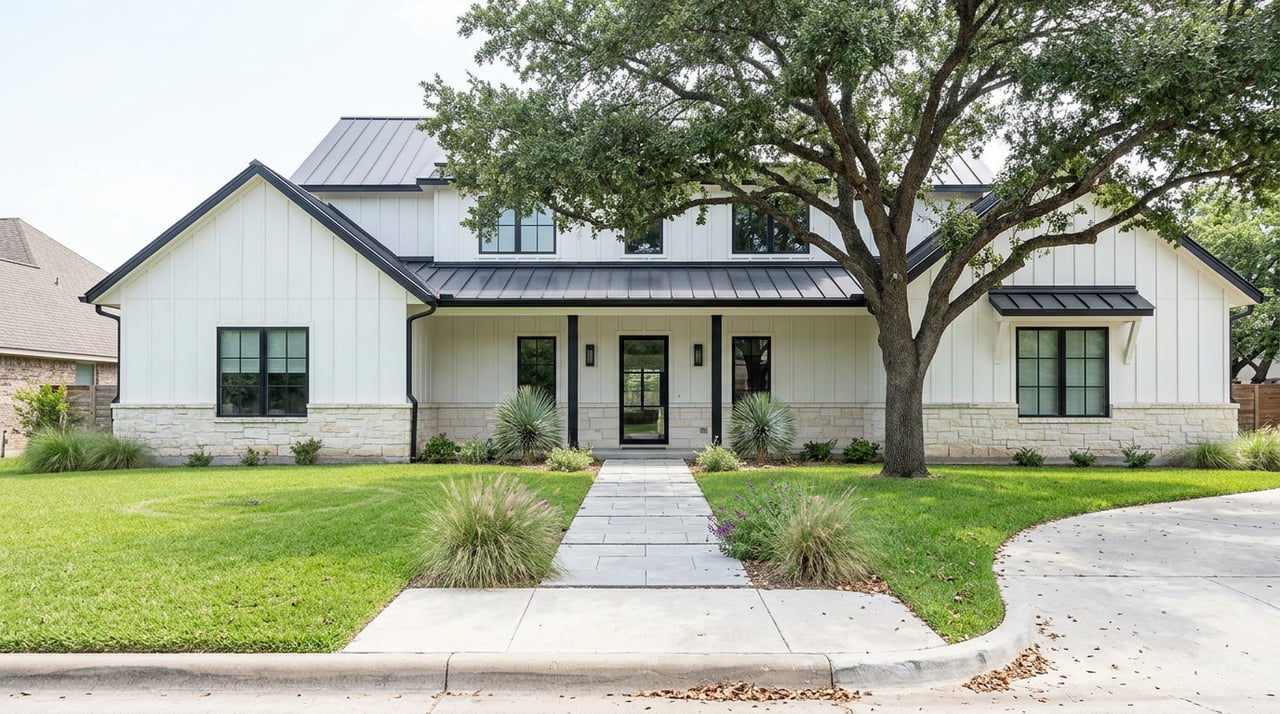
If you love historic character, front porches, and a more traditional street rhythm, that may be a major plus. If you are focused on yard size or a broader building envelope, Timbergrove may feel like the better fit.
Renovation Rules to Keep in Mind
Both neighborhoods have rules that can affect what you do with a property, but the context is different. In the Heights historic districts, exterior changes must be approved in advance, and some blocks also have minimum building-line and minimum-lot-size rules.
That does not mean buying in the Heights is harder. It does mean you should understand the specific property’s location and whether it falls within a historic district before you make plans for updates or additions. This is one area where block-by-block guidance can save you time and frustration.
Walkability and Daily Convenience
If walkability is high on your list, the Heights has a clear edge. Walk Score rates Lazy Brook-Timbergrove at 51, with a Transit Score of 36 and a Bike Score of 47. That places it in the somewhat walkable range.
Greater Heights scores higher at 73, and a representative 77008 Heights location scores 85, which is labeled very walkable. In everyday terms, that often means easier access to nearby dining, shopping, and errands without needing to drive as much.
This is one of the biggest lifestyle separators between the two neighborhoods. If you picture yourself walking more often for coffee, dinner, or daily routines, the Heights may align more closely with that goal.
Commute and Access
Both neighborhoods are close to Downtown Houston, so commute times are generally manageable by Houston standards. Sample Walk Score travel-time maps show Lazybrook-Timbergrove addresses estimating about 22 to 24 minutes to Downtown, while a representative Heights location estimates about 17 minutes.
Of course, actual drive time will vary by block, destination, and traffic. The broader takeaway is that both areas are well-positioned for close-in living. For many buyers, the more meaningful difference is not commute length, but whether you value walkability or yard space more in your daily routine.
City of Houston commute tables also suggest that both Lazybrook/Timbergrove and Greater Heights have many commuters in the 15 to 39 minute range. That supports the idea that these neighborhoods are more alike on regional access than they are on block-level lifestyle.
Neighborhood Feel and Community Structure
Timbergrove and Lazybrook Lifestyle
Lazybrook and Timbergrove have a more residential, neighborhood-centered feel. The City of Houston places the area along the wooded banks of White Oak Bayou in the near northwest quadrant of the city, which adds to the area’s established, tucked-in identity.
Civic organizations are also a visible part of neighborhood life here. The Lazybrook Civic Club says it supports esplanade upkeep, deed-restriction enforcement, a citizen patrol program, newsletters, and neighborhood improvements. Timbergrove Manor Civic Club describes itself as a volunteer-driven nonprofit that promotes civic pride, social welfare, public unity, seasonal events, and security-related programming.
For some buyers, that structure adds appeal. If you value an organized civic presence and a quieter residential rhythm, Timbergrove or Lazybrook may feel like a natural fit.
Houston Heights Lifestyle
The Heights offers a different kind of identity. The Houston Heights Association describes it as a diverse, small-town community in the heart of Houston, while the City of Houston notes that the Heights was founded in 1891 and was Texas’ earliest planned community.
That long history still shapes the neighborhood today. Multiple historic districts, a more compact block pattern, and a strong sense of place all contribute to the Heights experience. For buyers who want urban energy combined with historic character, that can be a compelling mix.
Which Neighborhood Fits Your Priorities?
The best choice usually comes down to what matters most in your day-to-day life. Here is a practical way to think about it.
Timbergrove or Lazybrook may fit you better if you want:
- A lower typical entry price than Greater Heights
- More yard space and larger-feeling lots
- Post-war ranch-style homes and a quieter residential setting
- A neighborhood shaped by deed restrictions and active civic clubs
Houston Heights may fit you better if you want:
- Higher walkability for errands, dining, and everyday convenience
- Historic character and a more traditional urban block pattern
- Access to a broader range of close-in amenities
- A location where specific sub-areas may carry a strong price premium
A Smart Way to Compare Homes
If you are deciding between Timbergrove and Houston Heights, it helps to compare more than just list price. A lower price in one neighborhood may come with a larger lot, while a higher price in another may reflect walkability, historic setting, or tighter inventory in a specific submarket.
A smart comparison usually includes:
- Sale price and price per square foot
- Lot size and outdoor space
- Historic district or deed restriction status
- Typical days on market
- Your daily driving and walking habits
- Your renovation plans over the next few years
This kind of side-by-side review can quickly narrow your search. It also helps you avoid falling in love with a home before you fully understand the tradeoffs around location, rules, and future flexibility.
If you are weighing Timbergrove against Houston Heights, working with a brokerage that understands Houston micro-markets can make the process much clearer. The team at Texas Residential Specialists offers neighborhood-level guidance, data-driven insight, and concierge-style support to help you compare your options with confidence.
FAQs
Is Timbergrove more affordable than Houston Heights?
- In current market snapshots, yes. Lazy Brook-Timbergrove shows a median sale price of $590,000, while Greater Heights is higher at about $680,000, with some Heights historic district areas much higher.
Are lots usually bigger in Timbergrove than in Houston Heights?
- Often, yes. Timbergrove and Lazybrook commonly show larger lot examples, while the Heights historic districts follow a tighter and more regular lot pattern, often around 50 by 132 feet.
Is Houston Heights more walkable than Timbergrove?
- Yes. Walk Score places Greater Heights well above Lazy Brook-Timbergrove, making the Heights the stronger choice if walkability is a top priority.
Are all homes in Houston Heights in historic districts?
- No. The Heights includes multiple historic districts, but it is not one single historic-district market. Pricing and property rules can vary depending on the exact location.
Is the commute much different between Timbergrove and Houston Heights?
- Not dramatically. Both are close-in neighborhoods, and city data suggests many commuters in both areas travel 15 to 39 minutes. The bigger difference is often daily walkability versus lot size and yard space.