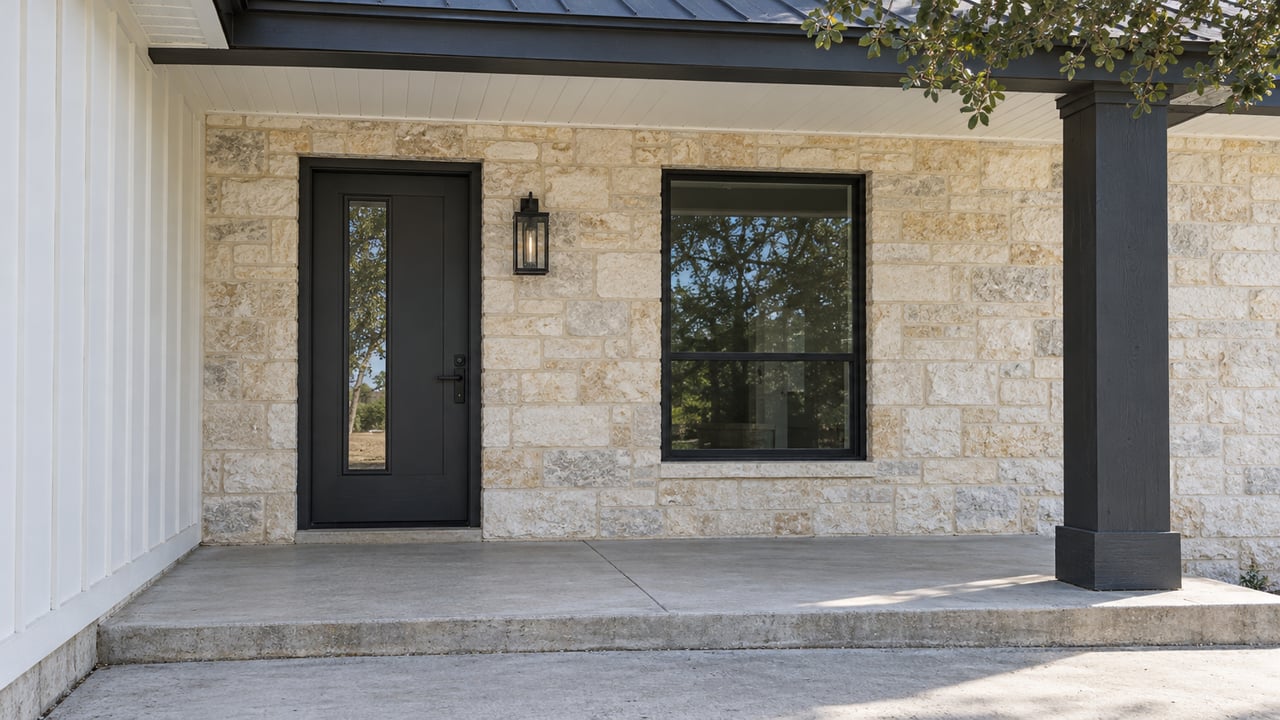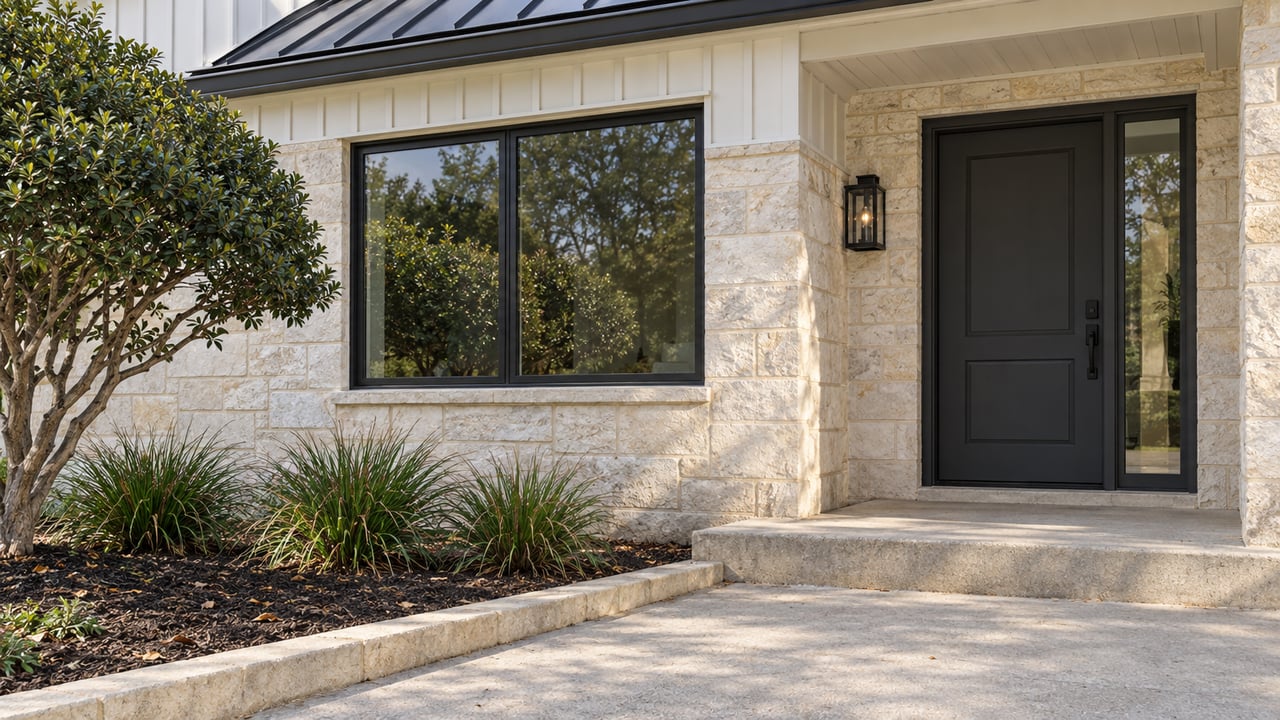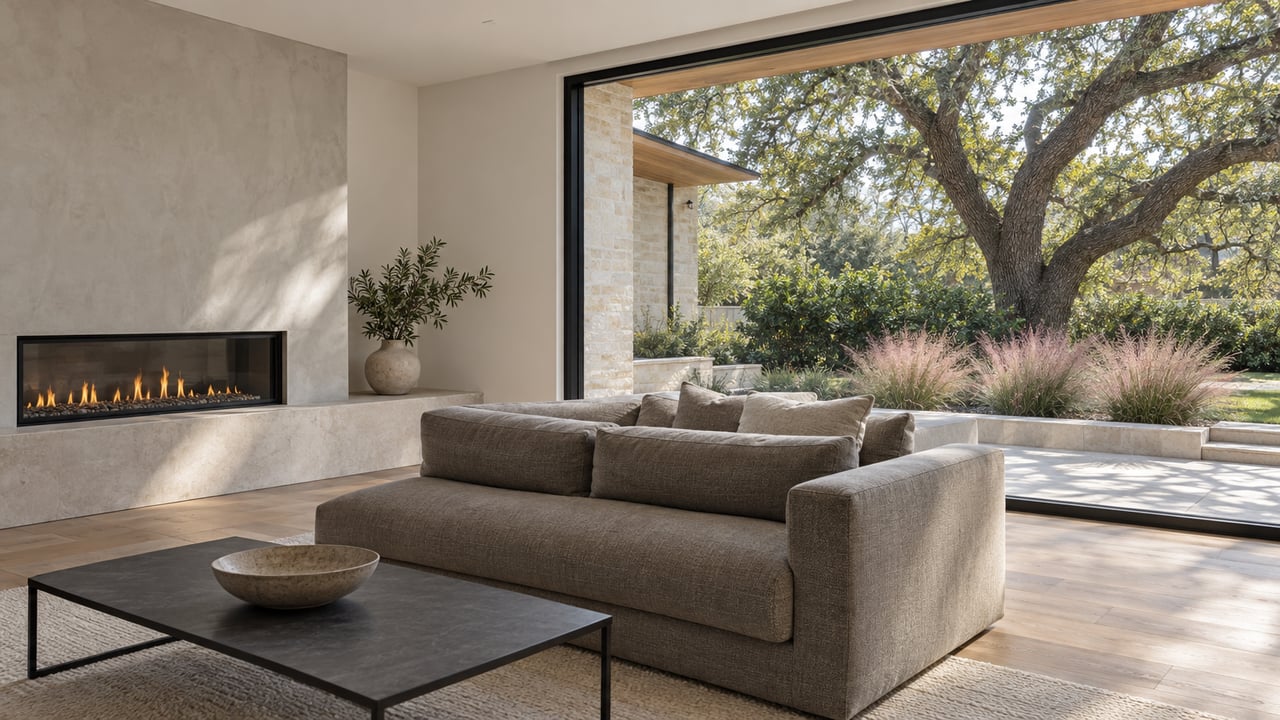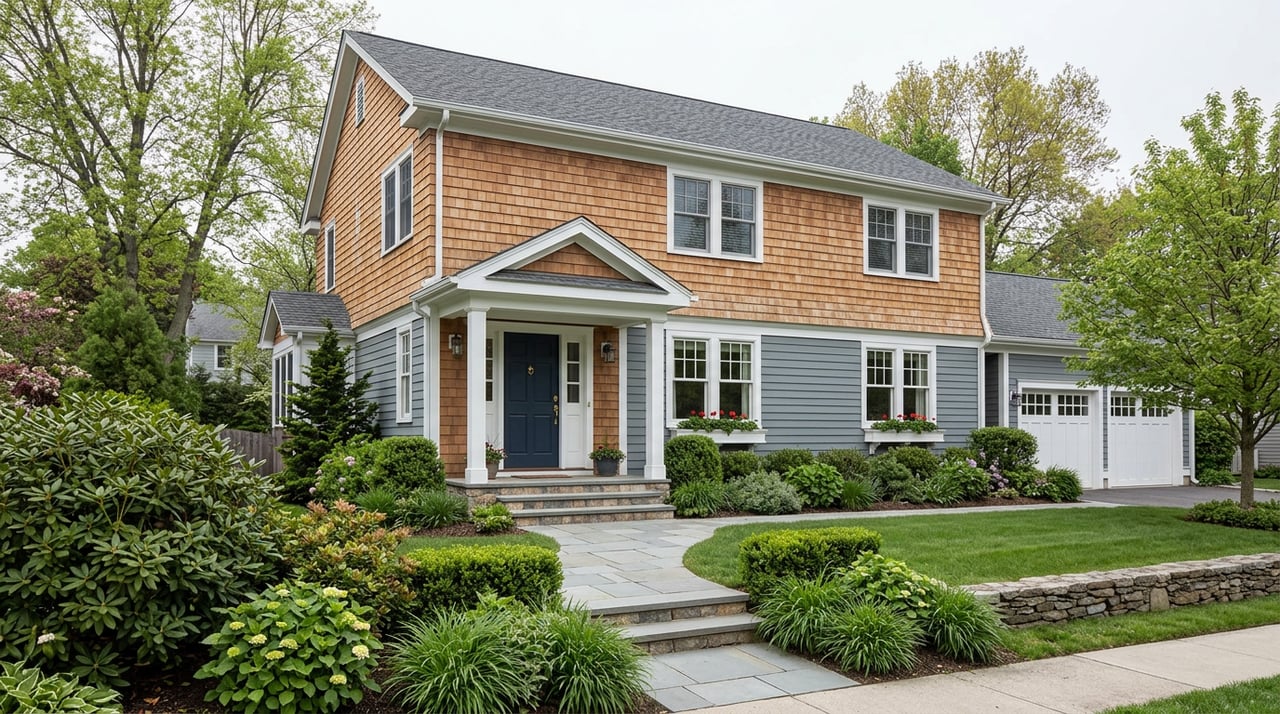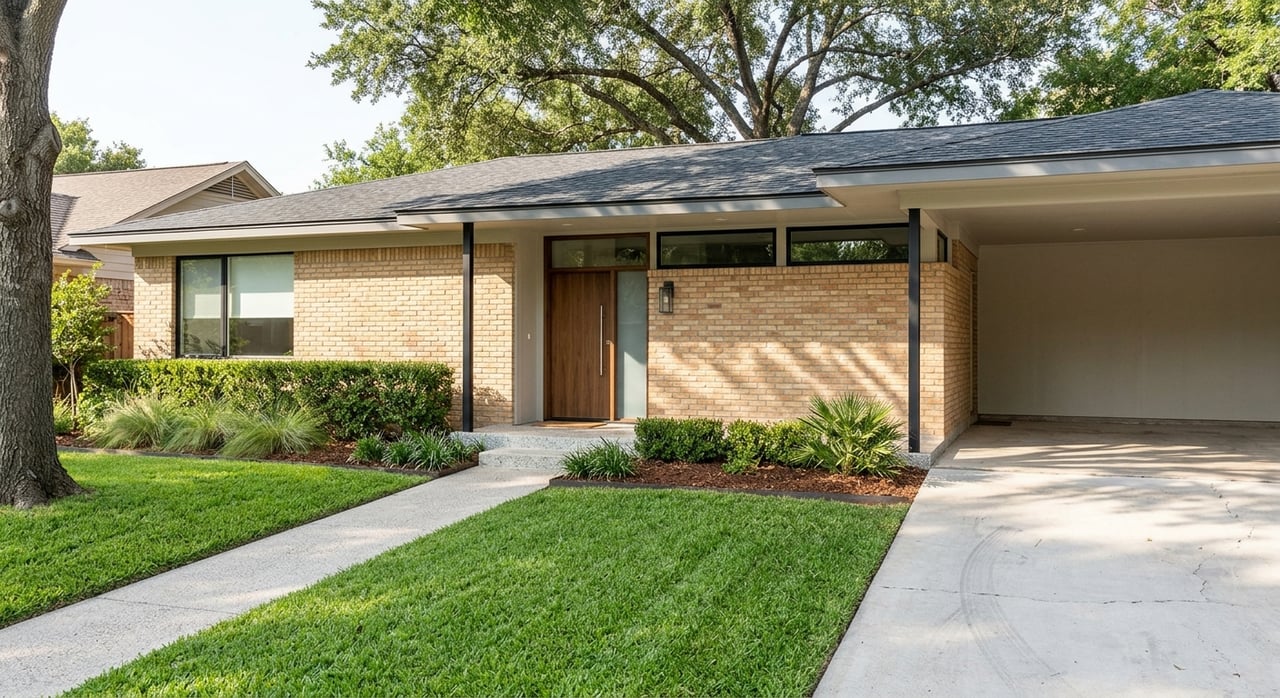
If you love the look of a classic ranch home but want to buy smart in one of Houston’s close-in neighborhoods, Timbergrove and Lazybrook deserve a careful look. These mid-century homes offer character, practical floor plans, and real renovation potential, but they also come with location-specific details that can affect value and your buying strategy. If you are considering a mid-century home in 77008, this guide will help you focus on what matters most before you make an offer. Let’s dive in.
Why Timbergrove and Lazybrook stand out
Timbergrove and Lazybrook are deed-restricted subdivisions along White Oak Bayou in Houston’s near northwest quadrant. The City of Houston describes the area as a community of ranch-style brick homes built in the 1950s and 1960s with easy access to Loop 610. That combination helps explain why the neighborhood continues to attract buyers who want a close-in location with larger lots and established housing stock.
The area’s housing mix strongly supports that mid-century identity. City housing profile data shows 19% of homes were built in the 1950s, 25% in the 1960s, and 17% in the 1970s, while only 4% were built in 2010 or later. In other words, when you shop here, you are usually evaluating original homes, updated homes, or homes with clear renovation potential rather than newer construction.
What mid-century homes here are really like
Most original homes in Timbergrove and Lazybrook are one-story ranch or traditional one-story layouts. A common setup is 3 bedrooms and 2 baths, although some homes still have 3 bedrooms and 1.5 baths. Many also include spaces that feel very true to the era, such as a formal living room, formal dining room, den or family room, breakfast area, and utility room.
That older layout can be a major advantage if you know what you want. Some buyers prefer to preserve separate rooms, while others see an opportunity to open the kitchen into the family room, enlarge the primary suite, or improve flow for modern living. Because many of these homes start as single-story designs, remodeling can be more straightforward than with a more complicated two-story structure.
Lot size is another reason buyers keep coming back to this area. Current examples commonly fall around 7,400 to 9,800 square feet, and some lots are much larger. In practical terms, that means you may find more room for additions, outdoor living, or future redesign than you would in many other close-in neighborhoods.
Why value varies so much
One of the biggest mistakes buyers make is assuming age tells the whole story. In Timbergrove and Lazybrook, value is often driven more by section, lot quality, flood and drainage diligence, and renovation completeness than by the year the home was built.
That is why two homes with similar bedroom counts can feel very different in price. A home on a larger lot, a ravine lot, or a lot with a stronger location within the neighborhood may command a premium. A home with updated windows, plumbing, sewer lines, HVAC, and electrical may also justify a higher price than a similar home with more original systems.
Recent market data supports that nuance. Zillow’s typical home value for Lazy Brook-Timbergrove was $564,841 in late April 2026. That places it below Greater Heights at $616,435 and Neartown-Montrose at $611,521, but above Oak Forest-Garden Oaks at $473,678.
Redfin sale data shows a similar pattern. Lazy Brook-Timbergrove has a median sale price of $599,777 and about 27 days on market, while Timbergrove Manor is at $649,500 and about 22 days on market. Both are described as somewhat competitive markets, so a well-priced home in strong condition can still move quickly and attract multiple offers.
What to know about renovation potential
For many buyers, the appeal of a mid-century home here is not just how it looks today. It is also what the property could become over time. Some listings openly market these homes as places you can live in now, renovate later, or even rebuild down the road.
The most common upgrade pattern is easy to spot in the market. Buyers tend to value open kitchen and family room layouts, enlarged primary suites, and updates to windows, plumbing, sewer lines, HVAC, and electrical systems. If a house already has those improvements, you may pay more upfront, but you could also avoid a long and expensive project after closing.
If you are planning exterior changes, do your homework early. Governance is section-specific, and neighborhood rules matter here. Timbergrove Manor Civic Club states that exterior renovations, additions, new construction, solar installations, fencing, and some mechanical relocations require design review before permitting, while Lazybrook Civic Club also notes that deed restrictions are legally enforced by the club and the City of Houston.
Deed restrictions and approvals to check early
One of the most important buyer tips in Timbergrove and Lazybrook is simple: do not wait until after contract execution to ask about restrictions. These neighborhoods are deed restricted, but they are not governed like a typical HOA community. For example, Timbergrove Manor Civic Club notes that it is not an HOA and does not issue compliance certificates.
That distinction matters if you are assuming a standard resale process. You should confirm which section the property is in, what restrictions apply, and whether any planned work would need review. This is especially important if you are buying with the intention to add on, move mechanical equipment, change fencing, or substantially alter the exterior.
Inspections matter more in older homes
A mid-century home can be an excellent purchase, but you should go in with a sharper inspection strategy than you might use on a newer property. In Texas, the Texas Real Estate Commission says a home inspection is a visual examination of the structure and systems. It typically covers the foundation, roof, attic, walls, windows and doors, decks or porches, electrical, heating and cooling, and plumbing, but only what is visible and accessible.
That limitation is important in a neighborhood with older slabs and aging systems. Timbergrove neighborhood history says many early homes were built on concrete slabs. Combined with TREC’s visual-only inspection standard, that means questions about foundation performance, drainage, and under-floor plumbing may require specialist follow-up rather than reliance on a standard inspection alone.
Foundation and drainage deserve extra attention
For older Houston homes, foundation review is especially important. TREC notes that clay-soil moisture swings, poor drainage, plumbing leaks, loss of soil compaction, tree roots, flooding, and construction issues can all contribute to differential movement. Warning signs can include sloping floors, sticking doors, and cracks or separations.
That does not mean every crack is a deal breaker. It does mean you should evaluate the home with clear eyes and understand what has been repaired, what may need monitoring, and whether drainage improvements are helping or hurting the property. In this micro-market, the right specialist follow-up can save you from expensive surprises later.
Systems condition can shape the true cost
In Timbergrove and Lazybrook, cosmetic updates tell only part of the story. The most common budget items visible in current listings include plumbing supply lines, sewer lines, HVAC, electrical, windows, insulation, kitchens, and primary bathrooms. A stylish renovation is great, but a smart buyer also wants to know what happened behind the walls.
When you compare homes, try to separate decorative appeal from true systems value. A home that looks less polished but has major mechanical updates may be a stronger long-term buy than one with pretty finishes and older infrastructure. That is often where neighborhood-level guidance makes a real difference.
Floodplain and insurance checks are essential
Because Timbergrove and Lazybrook sit along White Oak Bayou, flood diligence should be part of your process from the start. Harris County advises buyers to use its interactive flood mapping tool and FEMA flood maps to check parcel-level risk. The county also notes that a property in the 1% floodplain has at least a 26% chance of flooding over 30 years.
Just as important, Harris County says standard homeowners insurance typically does not cover flood losses. That is why flood zone, drainage, elevation, and insurance quotes should all be part of your offer and inspection checklist. In this area, parcel-by-parcel verification matters more than broad assumptions about the neighborhood.
How to buy strategically in this micro-market
If you are serious about buying a mid-century home in Timbergrove or Lazybrook, your goal should be to look past surface charm and identify the full value story. That includes the section, the lot, the level of renovation, the condition of major systems, and the property’s flood and drainage profile. Buyers who do this well are often the ones who feel best about their decision years later.
A practical approach can help you stay focused:
- Confirm the property’s section and deed restriction requirements early
- Compare lot size and lot position, not just interior square footage
- Review seller disclosures for system updates and repair history
- Use inspection findings to decide when specialist evaluation is needed
- Verify parcel-level floodplain and drainage details before closing
- Price the home based on condition and location, not just style or age
Mid-century homes in Timbergrove and Lazybrook can offer a rare mix of character, land, and close-in convenience. The key is understanding that not all homes here should be valued the same way, even when they look similar at first glance. If you want a purchase that fits both your lifestyle and your long-term goals, careful local analysis is worth it.
When you are ready to evaluate homes in Timbergrove or Lazybrook with a more informed strategy, Texas Residential Specialists can help you navigate the details with local insight, clear guidance, and hands-on support.
FAQs
What types of mid-century homes are common in Timbergrove and Lazybrook?
- Most homes are one-story ranch or traditional one-story layouts from the 1950s and 1960s, often with 3 bedrooms, 2 baths, and separate living, dining, and family spaces.
What should buyers inspect carefully in a Timbergrove or Lazybrook home?
- Buyers should pay close attention to foundation performance, drainage, plumbing, sewer lines, HVAC, electrical, windows, and other major systems, since a standard inspection is visual and limited to accessible areas.
Why do Timbergrove and Lazybrook home prices vary so much?
- Prices often vary based on section, lot quality, renovation level, and flood or drainage diligence rather than age alone.
Do Timbergrove and Lazybrook homes have deed restrictions?
- Yes, these are deed-restricted neighborhoods, and some sections require design review for exterior renovations, additions, new construction, fencing, solar, and certain mechanical changes.
Why is floodplain research important when buying in Timbergrove or Lazybrook?
- The neighborhoods sit along White Oak Bayou, so buyers should verify parcel-level floodplain risk, drainage conditions, elevation factors, and flood insurance options before closing.
Are mid-century homes in Timbergrove and Lazybrook good for renovation?
- Many are strong renovation candidates because they are single-story homes on substantial lots, and common upgrades include open layouts, larger primary suites, and major systems improvements.