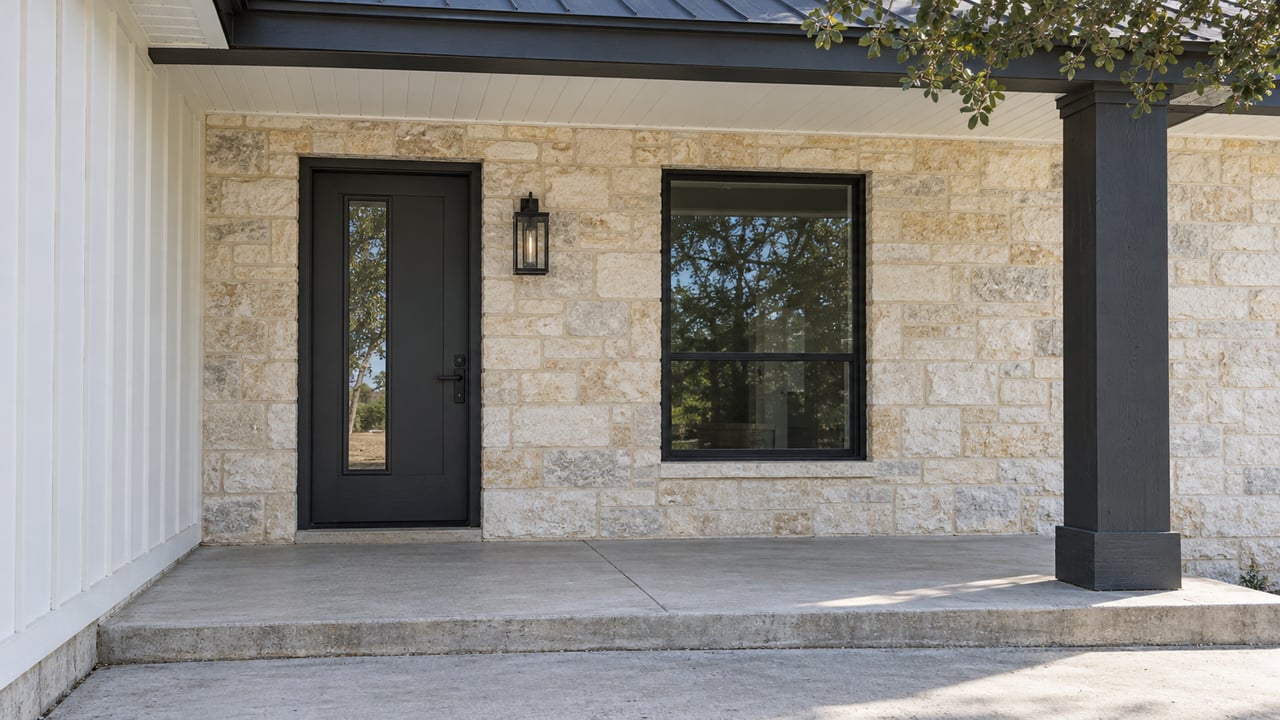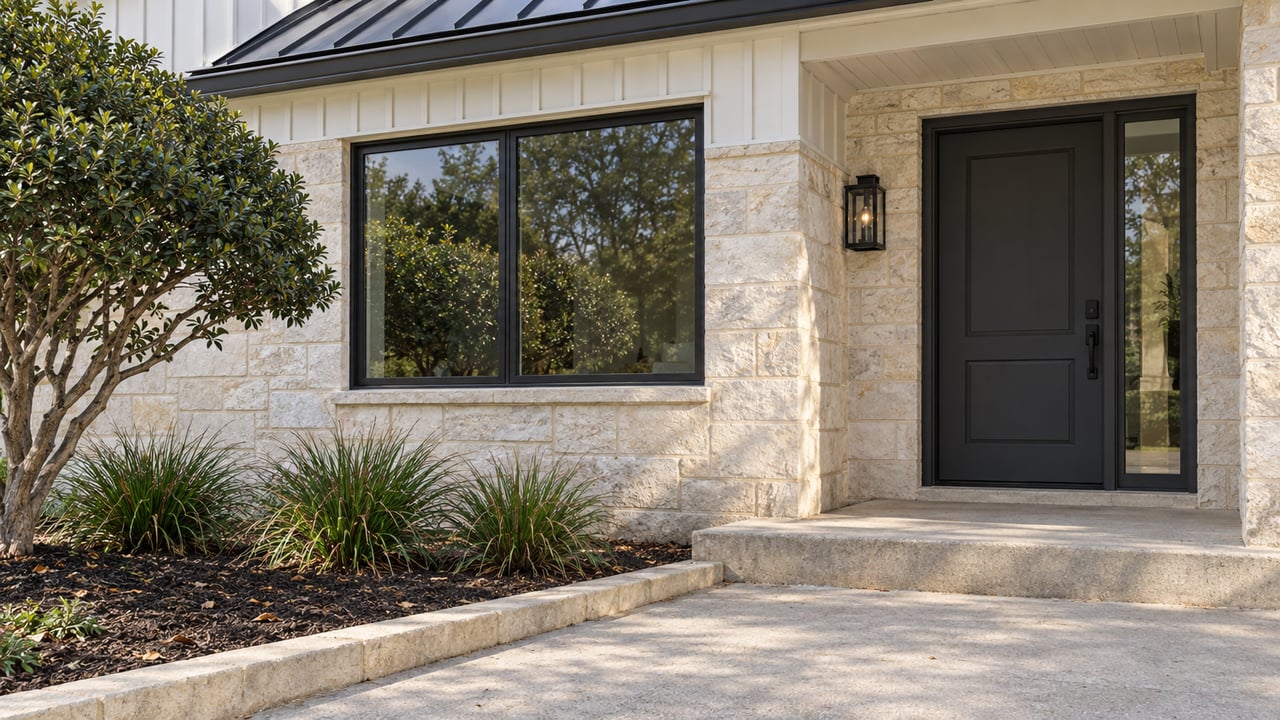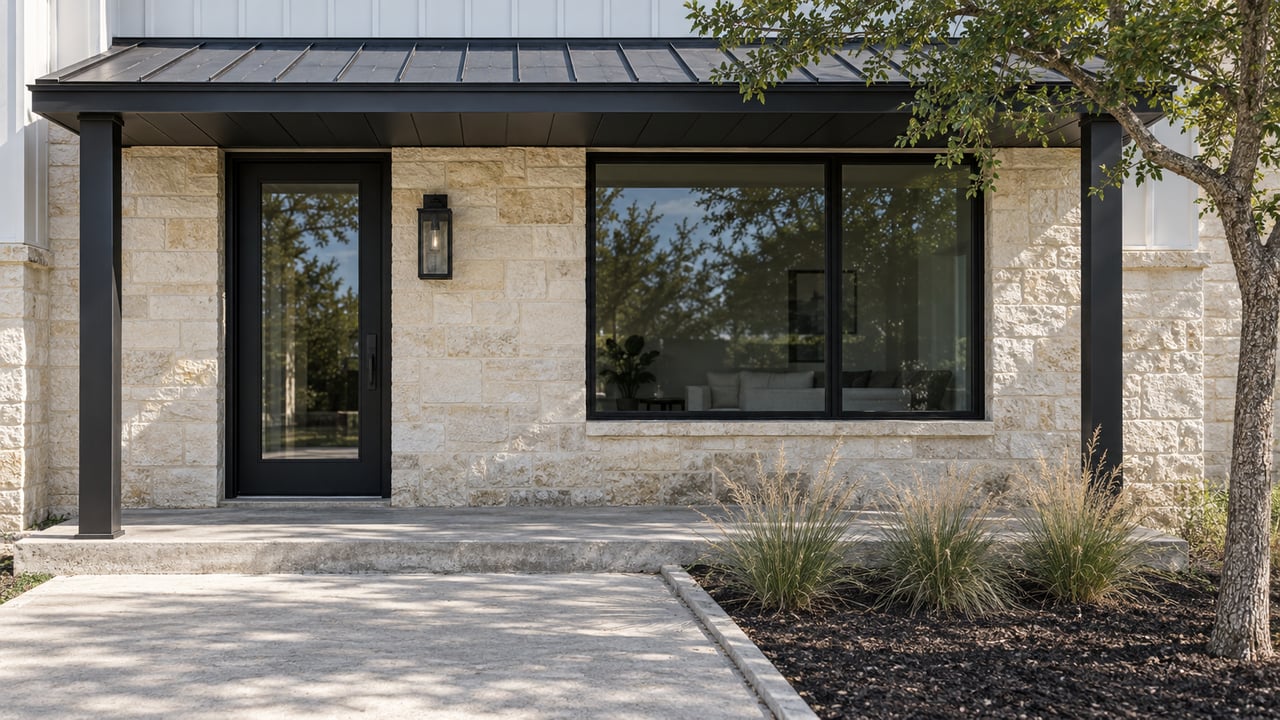
Two homes on the same block at The Grove at Shoal Creek can share a floor plan, a facade and a walk to the park, yet sell under completely different rules. One goes to whoever pays the most. The other sells at a price set by a formula, and only to a household that earns at or below 80% of the Austin-area median. For a family of four in 2026, that cap is $106,800.
That second set of rules is recorded against the property and lasts 99 years. It decides who can buy the home, what the seller walks away with, and who gets the first chance to buy. The original builder is close to selling its last homes, so from here on most buyers at The Grove will meet these rules on a resale listing.
The Ordinance Made Them Look Alike on Purpose
The rules come from the zoning ordinance that created The Grove, Austin Ordinance No. 20161215-075. Part 8 requires that at least 7.9% of the units sold as owner-occupied homes "be made permanently available at a price affordable to households with incomes at 80% of or below MFI." The ordinance also controls how those homes look:
The Affordable Ownership Units shall have substantially similar architectural design and restrictions as other residential units offered for sale to the general public.
At least half of those units must have two or more bedrooms. They must also match the minimum and average size of the market-rate units in the same building. Because of that design rule, you can't spot a restricted home from the street. Each one carries a restrictive covenant, recorded in the county's official public records when it sells. The covenant limits resale to income-eligible households, caps the equity a seller can take out, and gives the Austin Housing Finance Corporation, or another entity the City names, a right of first refusal.
The ordinance doesn't fix how many homes that comes to. When the developer's program page described the finished project, it projected about 50 affordable homes for purchase and 90 to 100 affordable rentals. Treat that as a projection rather than a count of homes built.
A Price That Moves on a Calendar
The Grove's homeowner FAQ on long-term affordability restrictions, last revised October 1, 2020, lays out the resale formula. A selling owner gets back three things:
- The original affordable price
- 2% of that price for each year of ownership, as simple interest
- The cost of any approved capital improvements
Simple interest means the 2% never compounds. For every $100,000 of original price, the ceiling goes up $2,000 a year. After ten years, it sits 20% above the original price, whatever Austin's market did in those ten years. The same FAQ says the home's assessed value for property taxes may also follow the restricted price plus that 2% appreciation.
| Market-rate home | Income-restricted home | |
|---|---|---|
| Resale price set by | Buyers and comparable sales | Original affordable price, plus 2% simple per year, plus approved improvements |
| Who can buy | Anyone | Households at or below 80% MFI |
| First chance to buy | Nobody | AHFC or a City designee |
| Duration | None | 99-year affordability period |
| Recorded restriction | Standard community documents | Restrictive covenant recorded at sale |
What Austin's Market Did in the Meantime
That table matters most in a soft market. In August 2026, the median sale price for the City of Austin was $560,000, according to Unlock MLS data reported by KXAN. Across the metro, homes averaged 66 days on market, with 13,676 active listings and 5.1 months of inventory. Closer in, Community Impact put the combined September 2026 median for its Central Austin coverage area at $760,000.
Market-rate homes at The Grove rise and fall with that wider market. The restricted ceiling keeps climbing 2% of the original price every year, in good markets and bad. During a boom, the gap between a restricted home and the market-rate home next door gets wider. When the market softens, it gets narrower. So the price difference between two identical-looking homes on one block depends on the timing of the sale as much as on the houses themselves.
That changes both sides of a restricted resale. The seller's number is mostly set by the calendar. The buyer is shopping in a pool limited by income, where a restricted home's value depends on how its formula price compares with what an eligible household can afford.
The Buyer Pool Is Narrower Than It Looks
The City's income limits took effect June 1, 2026, based on a fiscal year 2026 median income of $134,400 for the Austin area. At 80% MFI, the Austin Housing income limits table sets these caps:
- One person: $74,800
- Two people: $85,450
- Four people: $106,800
- Eight people: $141,000
The table is published for the HOME and CDBG programs. The ordinance's covenant ties income qualification to the City's compliance guidelines, so a buyer should confirm with the City which limits apply to a specific unit.
According to the FAQ, a seller must first notify the City for approval. If AHFC doesn't use its right of first refusal, the home has to go to an income-qualified buyer at the affordable resale amount. The City's homebuyer guidance describes two layers of restriction in projects like this one. One land-use restriction is recorded against the development, and a second is signed with the affordable buyer at closing.
Mueller, another Austin master plan, shows how this plays out over time. A presentation to the City's Mueller advisory commission on November 12, 2025 reported 205 completed affordable resales to date and 47 homes released to the open market. The reasons given included homes that were harder to sell, too many reaching the market at once, and some values rising past what the Mueller Foundation could afford. At Mueller, HomeBase manages resale pricing and markets homes to a waiting list of pre-qualified buyers. The Grove has its own covenant and administrator, so Mueller's results don't carry over directly. They do show that a capped resale depends on an eligible buyer being ready at the right moment.
Why Resale Is Where Buyers Will Meet These Rules
The Grove is nearing the end of construction. On April 21, 2026, according to the commission's approved minutes, Austin's Zoning and Platting Commission voted 8–0 to extend the Phase 1 residential site plan by five years. The staff report shows the deadline moving from March 1, 2026 to March 1, 2031. KXAN reported that the extension gives the developer time to finish more than a dozen homes. It passed on the consent agenda, with no public testimony or formal debate. Speaking to KXAN, Milestone Community Builders co-owner Garrett Martin said, "It might take us 230 days to build a house, and now we're building the same house in 90 days, sometimes in 75 days."
A December 8, 2025 engineering letter filed with that request describes the residential phase as 410 condominium units and says 105 of its 116 phases had been closed out. The builder's sales materials say only a few homes remain and none are under construction. Two four-story condo buildings are still planned, starting with The Adelaide, with homes of one to three bedrooms and about 750 to 1,900 square feet.
Until the condos arrive, almost all the supply here will be resale. A buyer looking at The Grove will usually be comparing a listing against earlier resales, and the first question about any listing is which set of rules it sells under.
What to Pull Before Writing an Offer
- The recorded covenant. Check the county's official public records to see whether a restrictive covenant was recorded when the home first sold. The ordinance requires one for every affordable ownership unit.
- Part 8 of the ordinance. The ordinance text is the binding source for the income limits, the equity cap and the right of first refusal.
- The City's current process. Austin Housing administers compliance. Ask how the resale amount is calculated for that specific unit, and how long AHFC has to use its right of first refusal.
- The income limits in effect on your closing date. The current table took effect June 1, 2026, and HUD updates the limits every year.
- The improvement record. Under the FAQ formula, only approved capital improvements count toward the resale amount, so ask the seller for the approval paperwork on any upgrades.
This is general information, not legal, tax or financial advice. Confirm the details of any specific home with a real estate attorney, a lender and the City before you rely on them.
Frequently Asked Questions
Can a buyer tell from the listing whether a Grove home is income-restricted? Not from the architecture, because the ordinance requires substantially similar design. The recorded covenant is the reliable place to check.
Does the 2% grow each year on top of the prior year's amount? No. The FAQ describes 2% simple annual appreciation, calculated on the original affordable price, so each year adds the same dollar amount.
How long do the restrictions last? The FAQ describes a 99-year affordability requirement, and the ordinance says the affordable ownership units will be made "permanently available."
If you're weighing a resale at The Grove at Shoal Creek, or getting ready to sell one, Texas Residential Specialists can help you figure out which rules apply, gather the recorded documents and compare a listing with the right set of sales. Schedule a consultation, or request a complimentary home valuation for a market-rate Grove home.