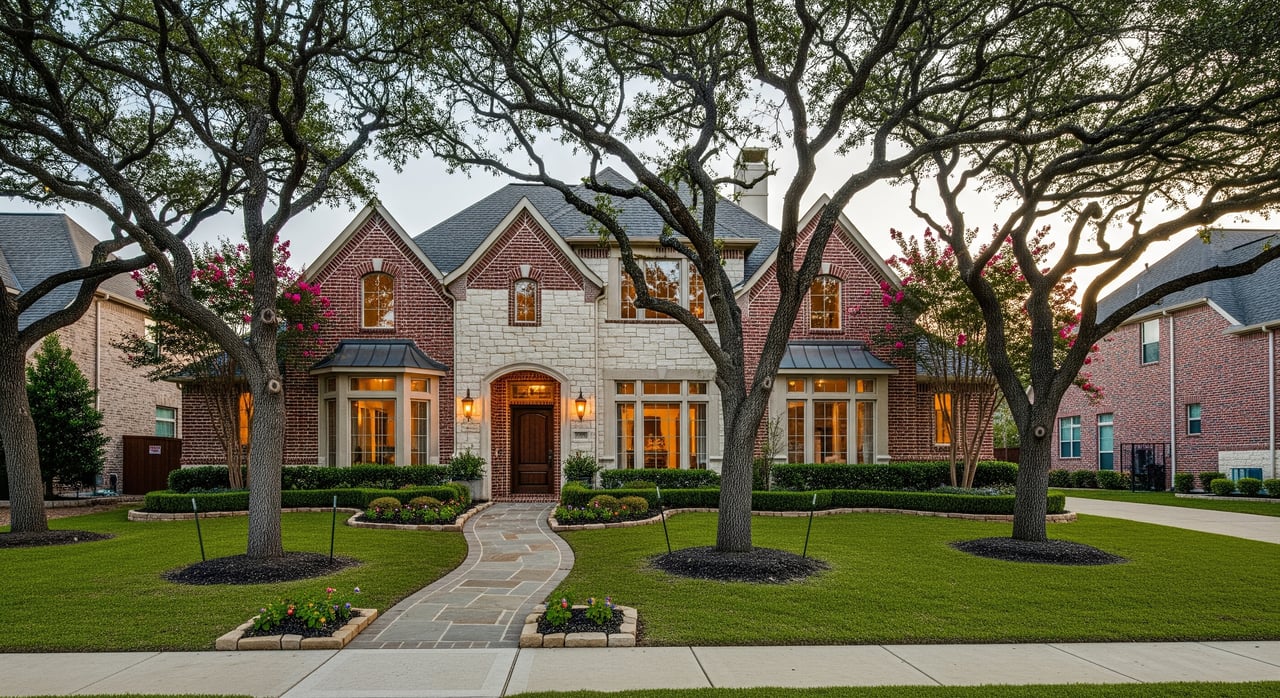
Thinking about selling your home in Royal Oaks but not sure when to list? Timing can shape how fast you move and how confidently you negotiate. The good news is you can use clear seasonal patterns, smart prep, and a tight launch plan to stack the odds in your favor. In this guide, you’ll learn the best listing windows for Royal Oaks, how long a sale typically takes, and the step-by-step timeline to get market-ready. Let’s dive in.
Why timing matters in Royal Oaks
Real estate follows a seasonal rhythm in Texas. Buyer activity tends to rise in late winter and peak in early spring, then cool in late summer and around the holidays. National and Texas-focused reports echo this pattern, including insights from NAR’s research library, Realtor.com’s research hub, and Zillow’s research center.
In Royal Oaks, that translates into a practical advantage when you launch during high-traffic weeks. The first 10 days on the market are critical. Strong timing, great photos, and the right price can create urgency and set up a smoother path from listing to close.
Peak buyer months
Early spring is your top window. Listing from late February through April typically aligns with the strongest buyer activity. You may also see a smaller bump in late May to early June as families target summer moves. By mid-summer, extreme heat and vacations can reduce casual showings, so you should plan for more targeted marketing.
Slower months to watch
Late November through January usually brings a holiday slowdown. Some neighborhoods also see softer traffic in late summer when the heat peaks. If you must list in these periods, lean on upgraded presentation, sharp pricing, and stronger digital marketing to capture committed buyers.
What local data says
Local trends matter more than statewide headlines. Review monthly metrics for your Royal Oaks area, including new listings, days on market, and months of inventory. You can monitor these patterns in HAR’s monthly market reports and neighborhood-level stats to confirm when demand is strongest.
In Houston, job growth and the energy sector influence buyer confidence and inventory levels. Tight inventory in spring can reward a more assertive pricing strategy. A higher months supply may call for a more measured approach.
What about Dallas–Plano–Irving and Collin County?
If you are comparing timing across Texas, Dallas–Plano–Irving and Collin County also tend to peak in spring, with school calendars shaping summer demand. Local reports from NTREIS and statewide context from the Texas A&M Real Estate Center can provide additional perspective. Remember that each micro-market has its own nuances, so validate the data for your specific neighborhood.
How long a sale typically takes
From listing to contract, active spring markets often see homes go under contract within 7 to 30 days. In slower periods, it may take longer. Once under contract, most financed sales close in about 30 to 45 days, while cash deals can close faster.
These timelines depend on financing, appraisal, and the complexity of the property. In busier seasons, lender and appraisal backlogs can lengthen contract-to-close. Plan your move-out and logistics with these ranges in mind.
How financing affects speed
Cash buyers can often close in 7 to 21 days. Conventional financing usually takes 30 to 45 days. FHA and VA financing may require more time due to appraisal and underwriting steps, so you should set expectations before you launch.
When to list: the best windows
- Early spring: Prioritize late February through April for the best combination of showings and offer strength. If inventory is tight, listing at or near market value can create urgency and attract multiple offers.
- Early summer: Late May to early June can work well for families aligning moves with school schedules. If heat or vacations slow traffic, plan for more evening showings and strong virtual tours.
- Late summer or holidays: If you need to list then, lean into pricing precision, polished presentation, and proactive outreach to high-intent buyers.
Your 8 to 12-week prep plan
Working backward from your ideal launch date helps you stay on track. Use this timeline to keep momentum.
- 12 weeks out: Get contractor bids, order materials, and pull permits if needed. Book stagers and photographers early because spring is busy. Address any major repairs so you do not risk delays later.
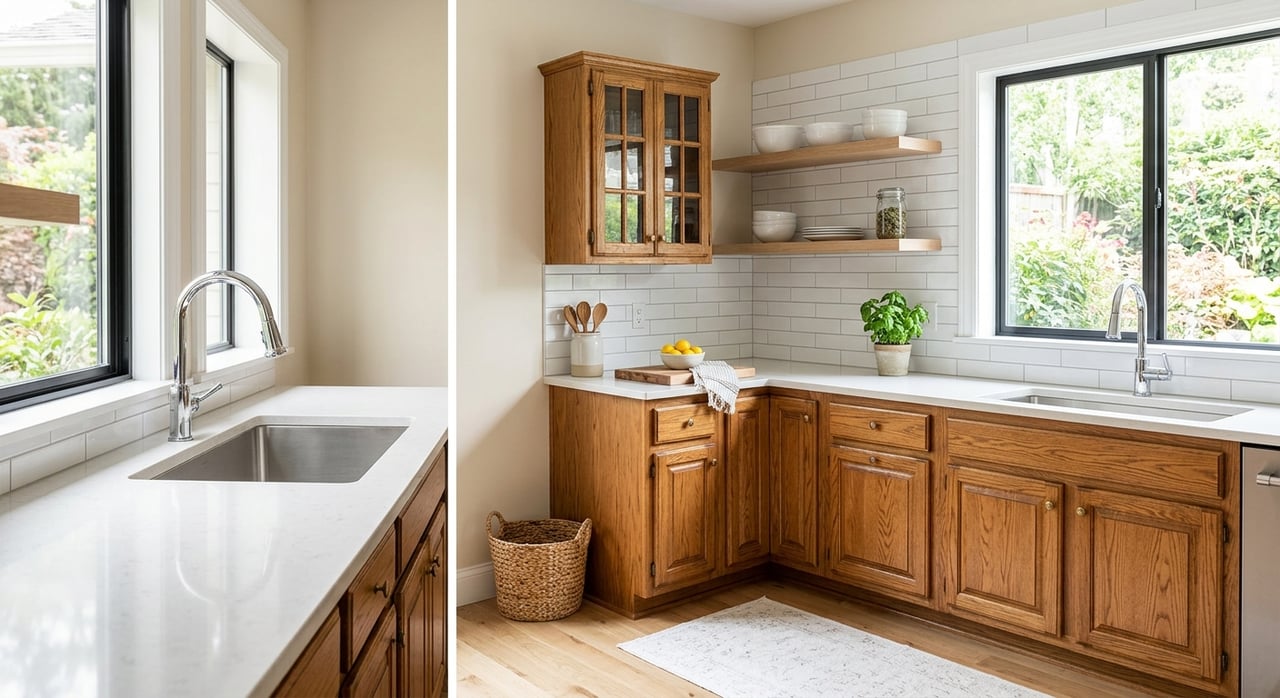
- 6 to 8 weeks out: Complete big-ticket items like flooring refresh, roof fixes, or kitchen updates. Prioritize repairs that could impact financing or inspection.
- 4 weeks out: Paint in neutral tones, finish minor repairs, service HVAC, and refresh curb appeal with mulch and pruning. Aim for a clean, cohesive look.
- 2 weeks out: Declutter, deep clean, and finalize staging. Check lighting and ensure every room photographs well.
- 3 to 7 days out: Schedule professional photography after staging, including twilight exteriors and drone shots if allowed by your HOA. Finalize pricing and listing details.
Photos and first-week strategy
Your first week sets the tone. Plan to list Tuesday through Thursday to capture weekend showings and agent attention. Front-load marketing with a broker preview and targeted outreach to active buyer agents.
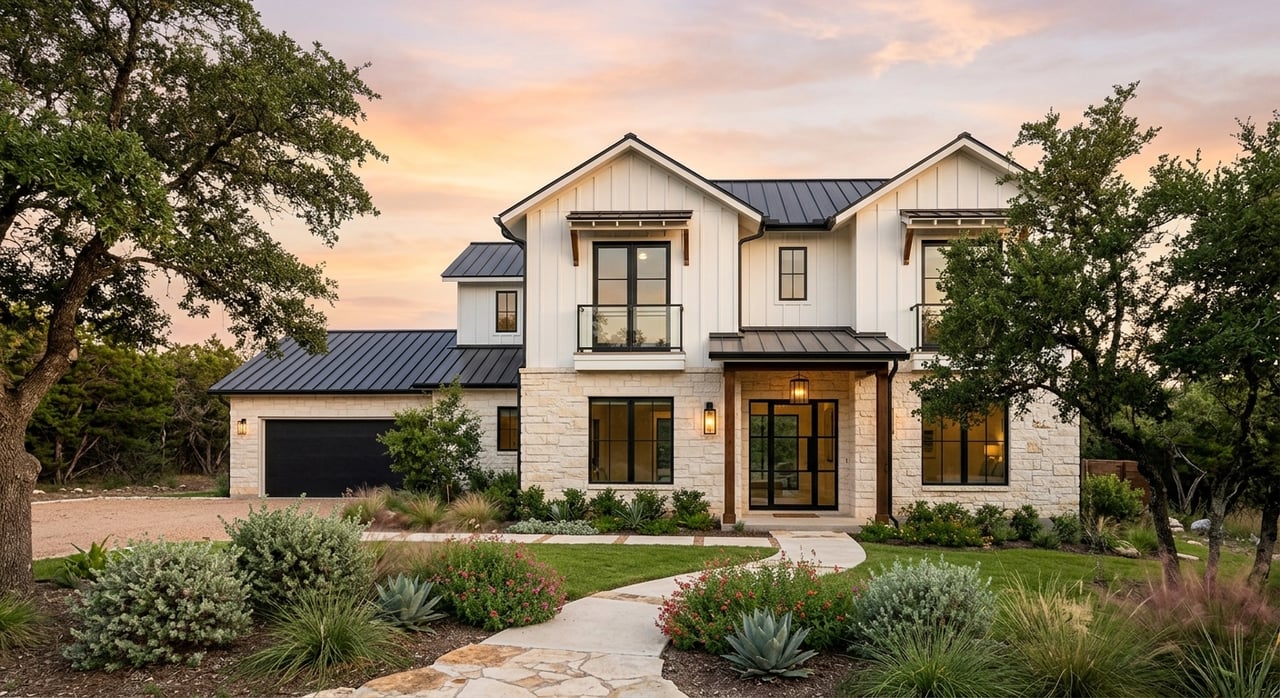
For photography, shoot interiors midday for bright, even light. Schedule exterior shots during golden hour or twilight to showcase landscaping and outdoor lighting. In heat months, lean into evening showings, ensure the A/C is set to a comfortable temperature, and use high-quality virtual tours to attract out-of-town buyers.
Pricing strategy by season
- Early spring: Price near market value, or slightly aggressive if inventory is low. The goal is to create urgency and gather strong offers in the first 7 to 14 days.
- Summer: Be more conservative if buyer traffic is lighter. Consider incentives like closing-cost credits or rate buydowns for interest-rate sensitive buyers.
Be mindful of appraisal risk if you push price above recent comps. If you do price aggressively, be ready with supporting data and comparable sales. Align your strategy with real-time neighborhood inventory and absorption.
Quick Royal Oaks checklist
- Target window: Late February through April, with a secondary push in late May to early June.
- Prep plan: Start 8 to 12 weeks out, finish staging and cleaning 1 to 2 weeks before photos, then shoot within 48 to 72 hours.
- Photos: Interiors at midday, exteriors at golden hour or twilight, and drone shots where allowed.
- Showing strategy: List midweek, prioritize your first 10 days, and keep the home comfortable.
- Pricing: Aim assertive in early spring, more measured in summer, and always based on current comps and inventory.
- Closing timeline: Expect about 30 to 45 days for financed deals and faster for cash.
Ready to time your sale with confidence?
If you want a precise launch plan for your Royal Oaks home, we can help you align the calendar, pricing, photography, and marketing to your goals. Our team pairs neighborhood insight with data-driven strategy, drawing on local reports like HAR’s market updates and statewide context from the Texas A&M Real Estate Center. Get a tailored timeline and a clean, confident path to market. Start with a conversation with Texas Residential Specialists.
FAQs
What months are best to list a home in Royal Oaks?
- Early spring, especially late February through April, typically delivers the strongest buyer activity, with a secondary bump in late May to early June.
How long from listing to closing should I expect in Royal Oaks?
- In active seasons, many homes go under contract in 7 to 30 days, and financed closings typically take 30 to 45 days, with cash closing faster.
Is summer a bad time to sell in West Houston?
- Not necessarily, but heat and vacations can reduce casual showings, so you should emphasize evening showings, strong online marketing, and precise pricing.
Do school calendars affect timing in Houston and Collin County?
- Yes, many families aim for summer moves around school schedules, creating demand spikes in early summer in both areas, though local patterns vary by neighborhood.
What can I do to get top-dollar offers fast?
- Finish essential repairs, stage and deep clean, use professional photos and a midweek launch, and set a price that aligns with current comps and inventory.